
Identity Architecture
Identity Architecture is the deliberate design of the systems and conditions through which an institution sustains meaning and coherence over time.
It extends identity beyond visual expression into governance, language, culture, memory, and decision-making, creating the conditions for strategic durability in an age of accelerating change.
Institutions are shaped by more than their visual expression. Their identity exists in the relationships between purpose, culture, language, decisions, behavior, and the ways they present themselves to the world. When these elements operate independently, identity becomes fragmented, even when the organization remains highly visible.
The Problem of Coherence
Institutional identity is subject to continuous change. Leadership transitions, organizational growth, cultural acceleration, and technological developments introduce new demands on how institutions understand and express themselves.
Over time, decisions made without a shared framework can weaken the relationship between what an institution believes, how it operates, and how it is understood. The result is not necessarily a failure of recognition. It is a loss of coherence.
Beyond Branding
Branding can establish recognition, create distinction, and shape perception. These are valuable functions, but they do not, by themselves, provide the structures necessary to sustain institutional identity through change.
Identity Architecture addresses the underlying conditions.
It establishes the principles, relationships, and systems through which identity can remain recognizable and meaningful while continuing to evolve.
From Principles to Practice
Identity Architecture connects institutional understanding with practical expression.
The Murphy Method provides a structured framework for applying the discipline, moving from institutional understanding and diagnosis toward the development, implementation, and stewardship of coherent identity systems.
Design remains essential. Typography, visual identity, language, and communication give identity its tangible expression. But their lasting effectiveness depends upon the coherence of the larger system to which they belong.
Strategic Durability
The purpose of Identity Architecture is strategic durability: an institution's capacity to remain coherent through changing circumstances without becoming fixed in the past.
Durability does not mean resisting change. It means establishing sufficient clarity and continuity that change can occur without compromising identity. An enduring institution is not one that remains unchanged. It is one that understands what must remain coherent as it evolves.
Evidence in Practice
Selected projects demonstrate how Identity Architecture operates in practice across cultural institutions, foundations, and enduring organizations.
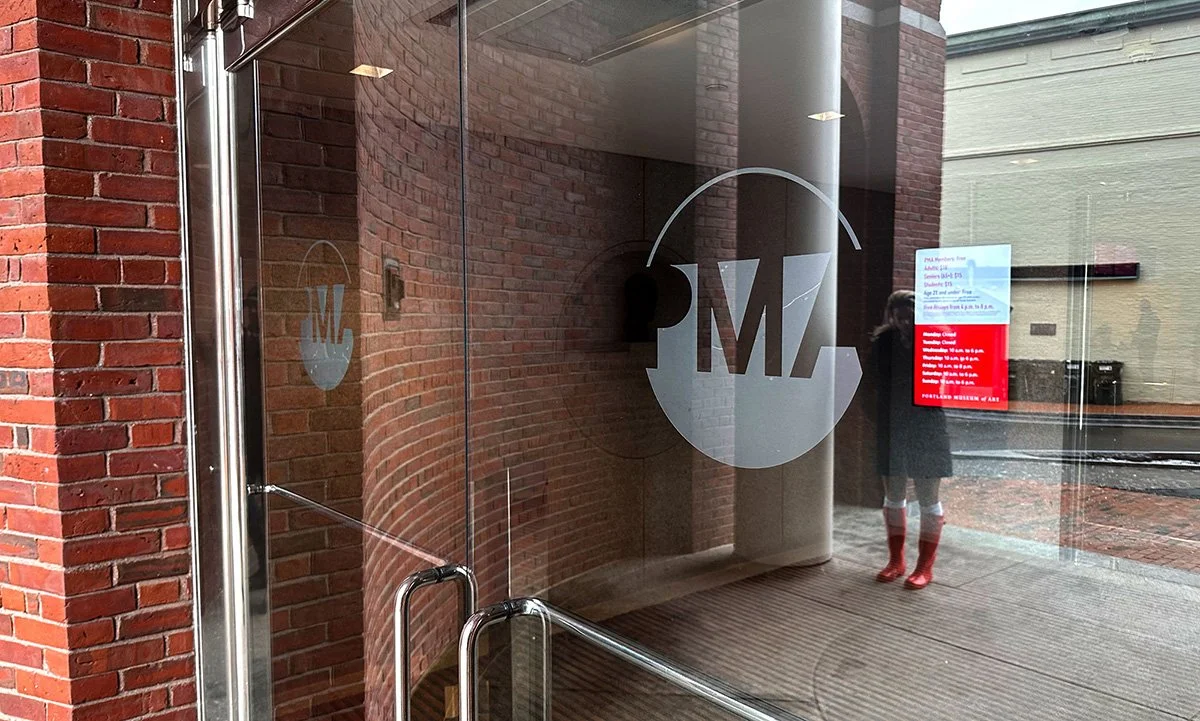
Portland Museum of Art
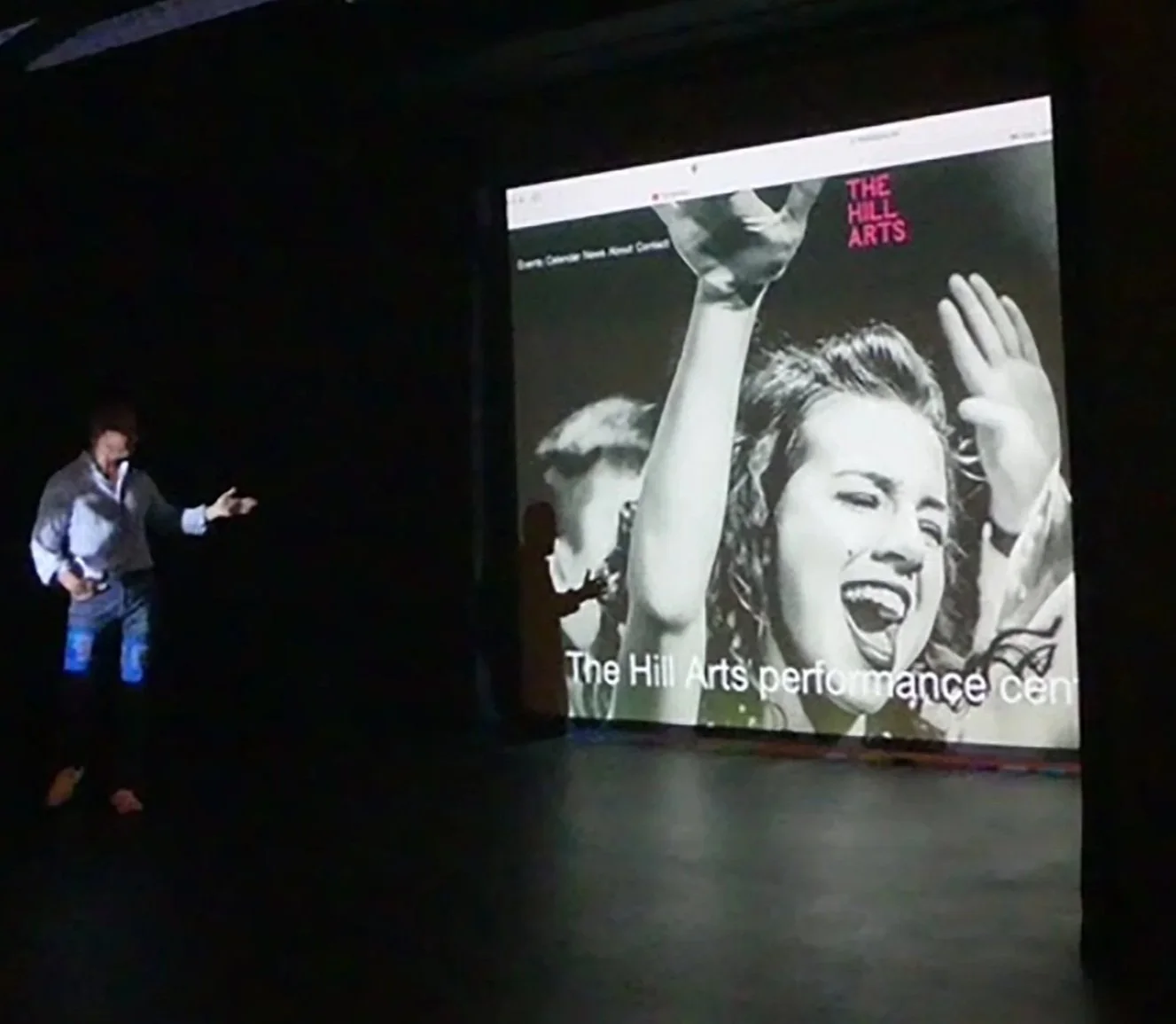
The Hill Arts

Bell & Beacon
Murphy develops, applies, and advances the discipline of Identity Architecture through institutional practice, long-term advisory relationships, and ongoing research.
For institutions navigating growth, succession, transformation, or increasing complexity, the work begins with understanding what must remain coherent as everything else evolves.