
BEMAF (Beilin–Makagon Art Foundation)
Identity Architecture in Practice
Murphy partnered with the Portland Museum of Art to develop a refined identity system for one of New England’s leading cultural institutions.
The work focused on creating a typographic and symbolic framework capable of supporting exhibitions, institutional communications, and visitor experiences while maintaining clarity and recognition across both physical and digital environments over time.
The resulting identity system balances architectural restraint with contemporary cultural presence, reinforcing the museum’s role as a civic and artistic landmark.
Client
Beilin–Makagon Art Foundation
Sector
Cultural Institution / Private Foundation
Location
San Francisco Bay Area, California
Scope
Identity System, Digital Museum, Typography, Institutional Communications

A private foundation stewarding one of the world’s most significant collections of Russian Imperial art and jewelry.

Institutional Context
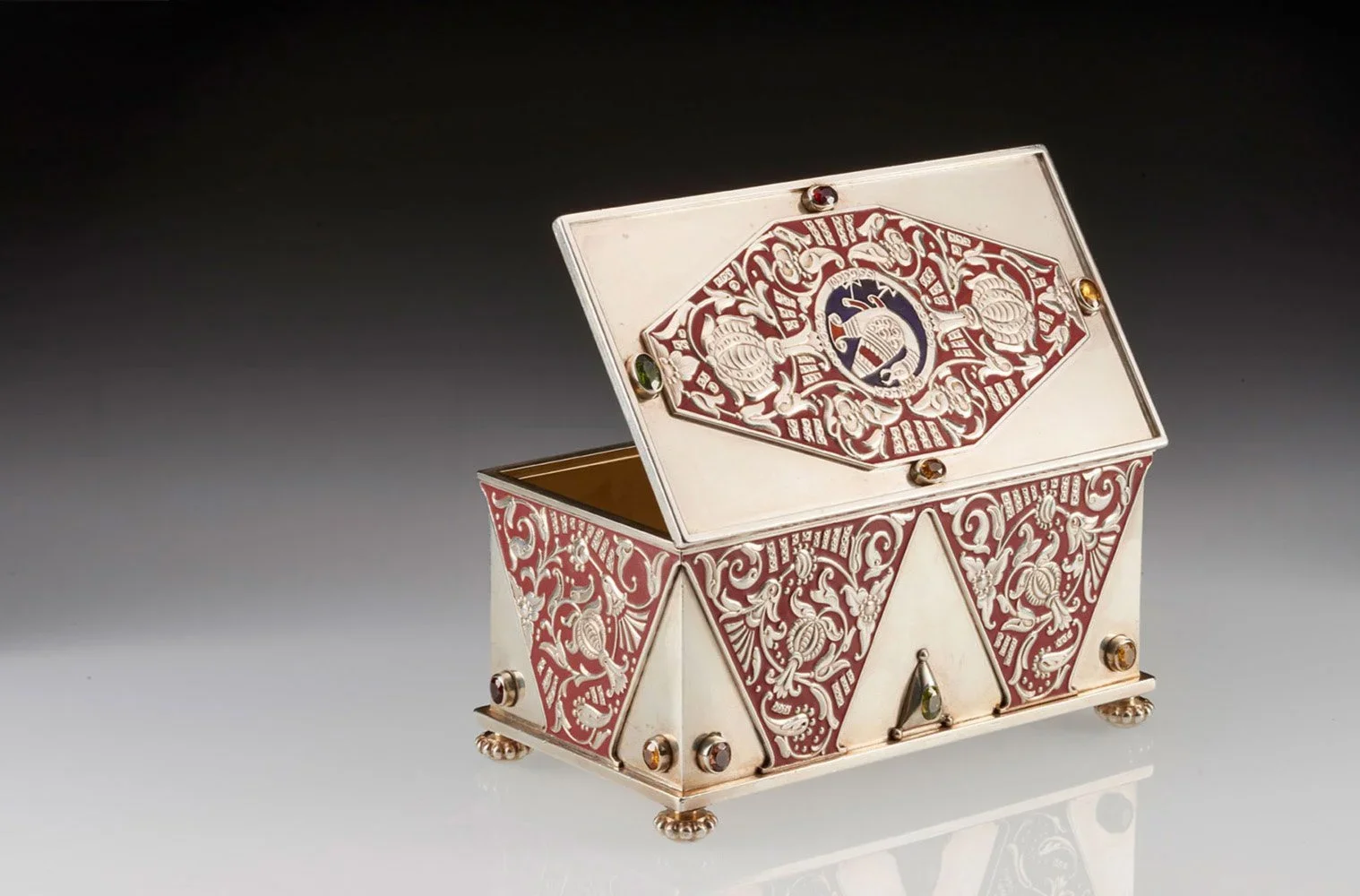
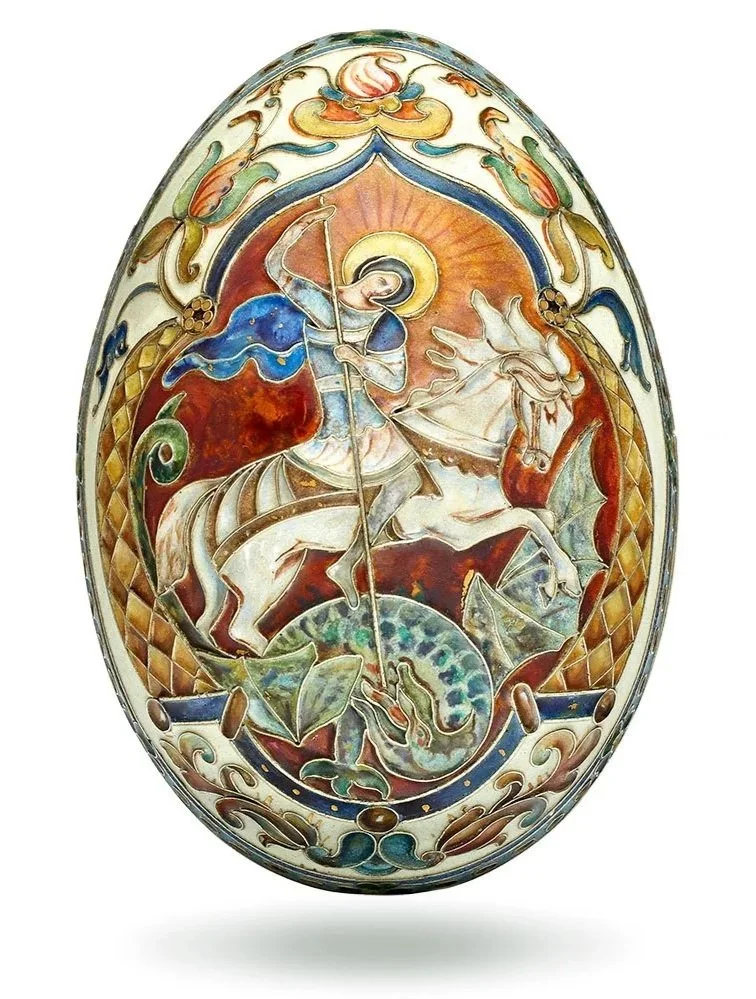
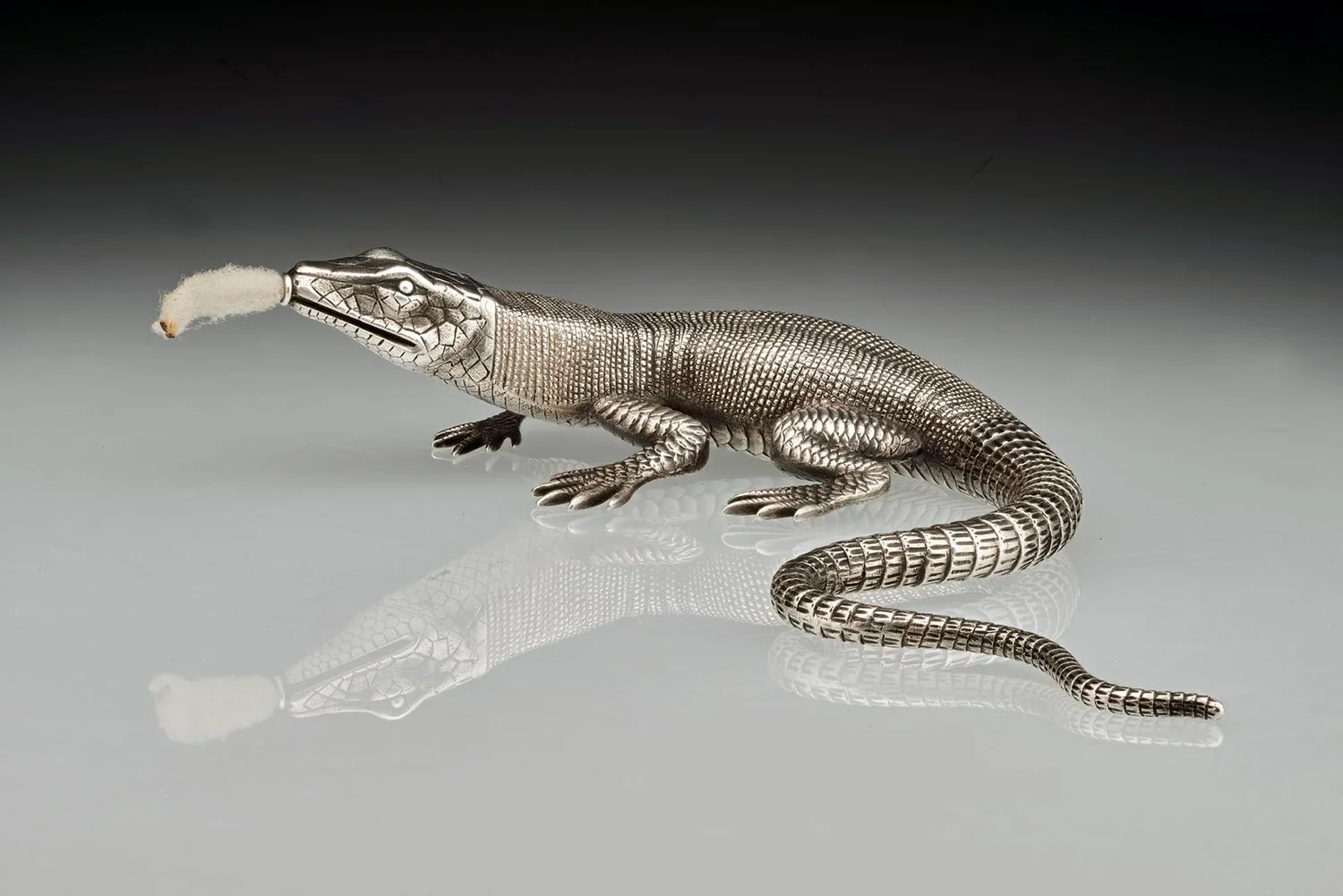
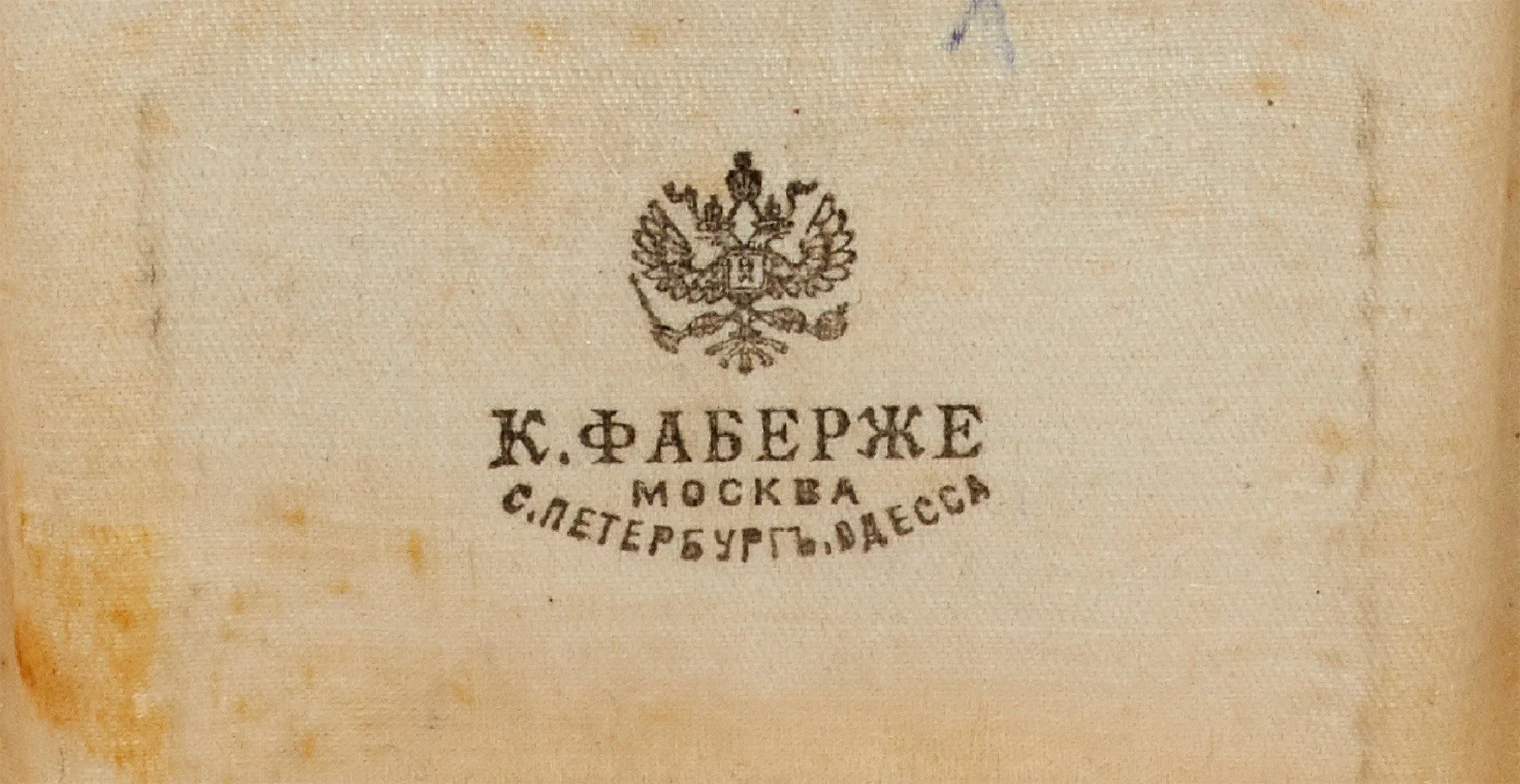
The Beilin–Makagon Art Foundation is a private cultural institution stewarding one of the world’s most expansive collections of Fabergé and Imperial Russian art.
The identity system was developed to support the foundation’s role as both archive and public-facing digital museum, maintaining clarity across institutional materials, object presentation, and long-term collection growth.
Identity System
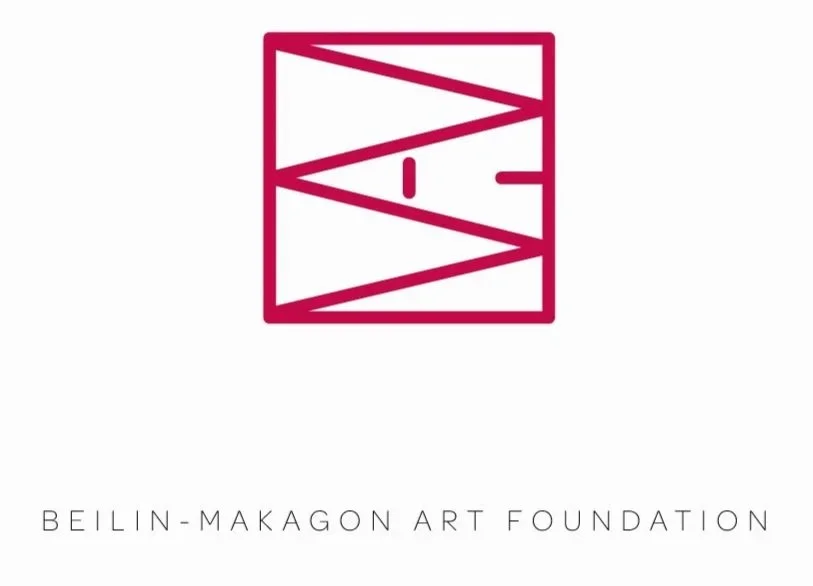
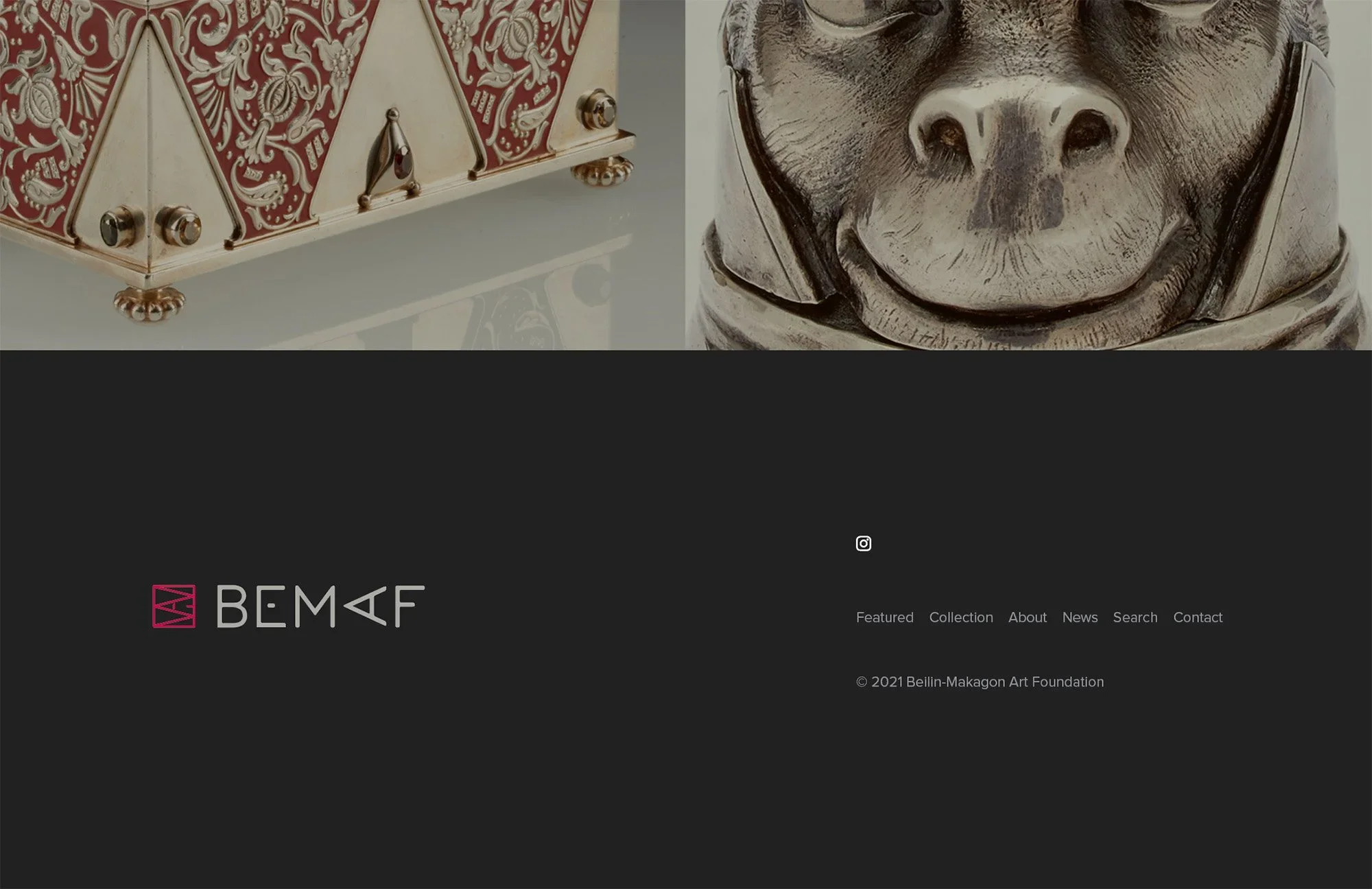
The primary mark draws from geometric relationships found within the foundation’s letterforms, forming a symbol that feels both architectural and jewel-like in structure.
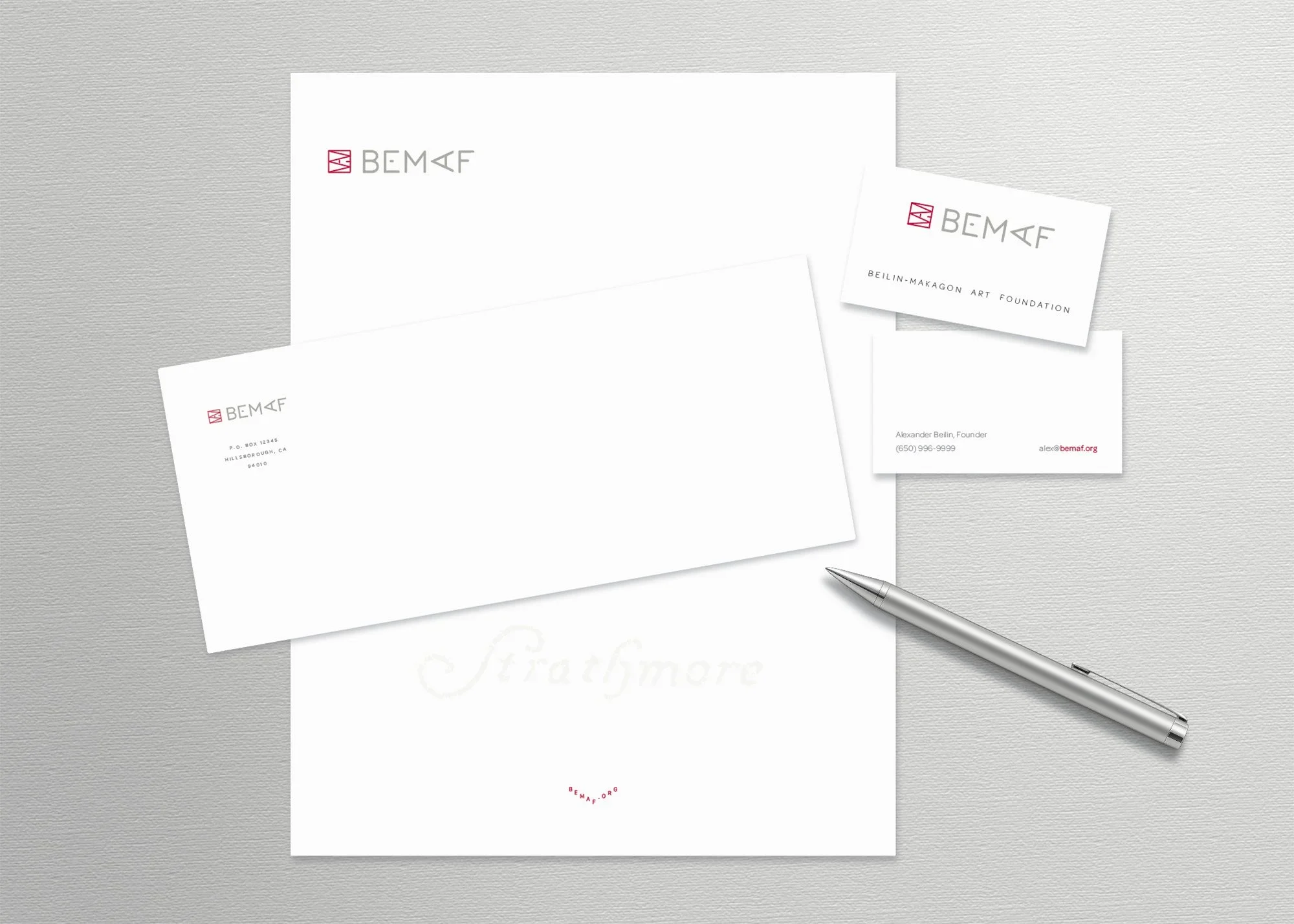
Typography, spacing, and composition were developed as a unified system capable of supporting digital exhibitions, archival presentation, stationery, and institutional communications while maintaining visual coherence and restraint.
Digital Museum
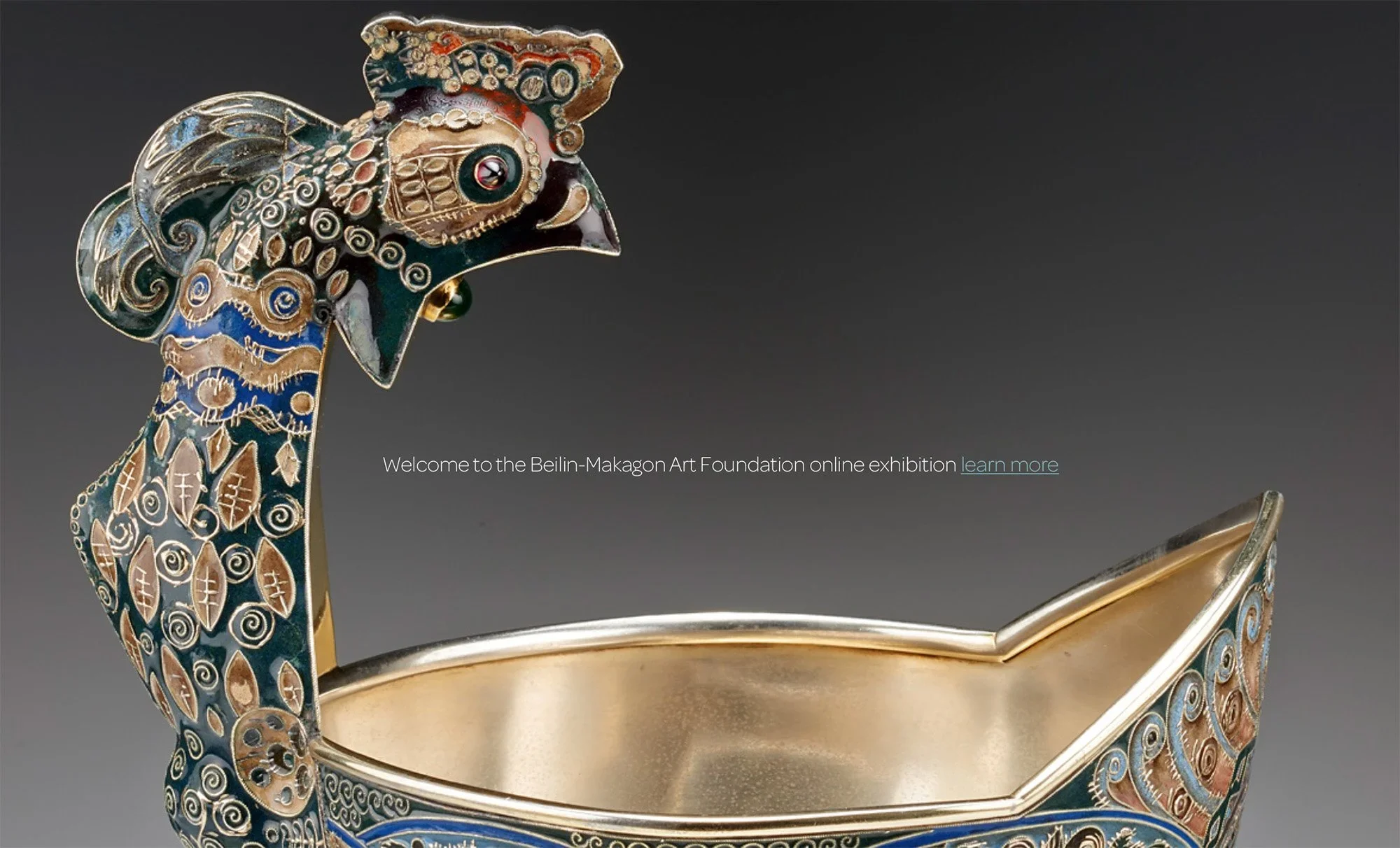
The digital museum was designed to present the collection with the pace and clarity of an institutional viewing experience.
Large-scale object photography, controlled hierarchy, and minimal interface allow the works to remain primary, while the broader system supports navigation, scholarship, and future archival expansion.
Applications
The identity extends across stationery, digital environments, and institutional materials. Each application reinforces a coherent visual language that connects collection, foundation, and audience.
Together these elements create an identity system designed to remain legible, durable, and adaptable over time.
This project demonstrates how Identity Architecture can support cultural stewardship, digital access, and institutional continuity across archival and public-facing environments.