
Rabkin Foundation
Identity Architecture in Practice
Murphy partnered with the Dorothea and Leo Rabkin Foundation to develop a refined identity system and digital platform for a nationally recognized arts foundation dedicated to supporting arts journalism in the United States.
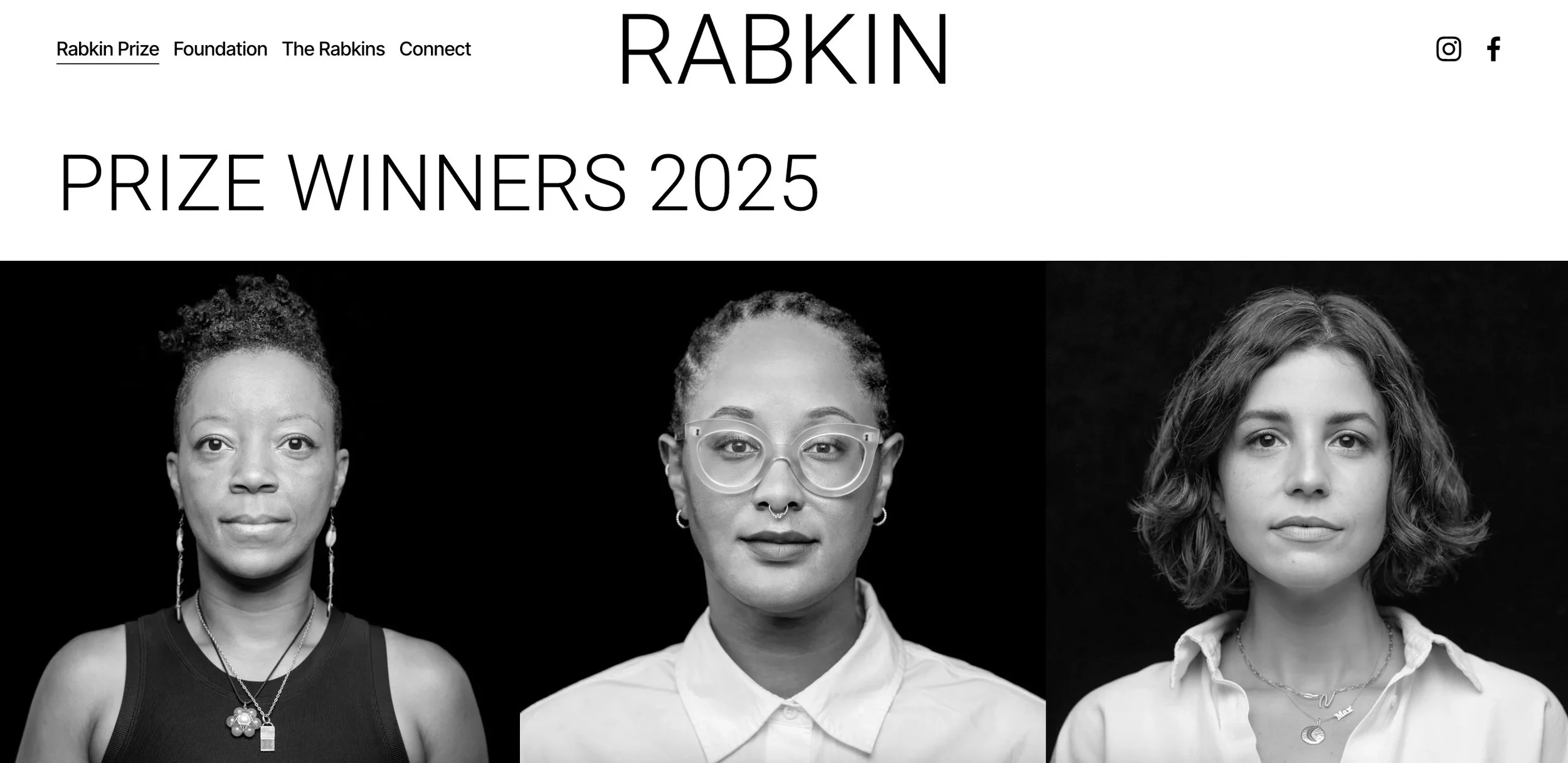
The foundation administers the Rabkin Prize, a $50,000 annual award honoring writers whose work shapes critical discourse in the visual arts.
The identity system was designed to support both the Rabkin Prize and the preservation of artist Leo Rabkin’s extensive body of work, creating a cohesive visual language that connects philanthropy, scholarship, and cultural history across digital and institutional platforms.
Client
Rabkin Foundation
Sector
Philanthropic Foundation
Location
Portland, Maine + New York
Scope
Identity System, Digital Platform, Cultural Archive




Cultural Context
The Rabkin Foundation supports and honors arts journalists whose writing shapes public understanding of contemporary art. Through the Rabkin Prize and ongoing archival initiatives, the foundation provides recognition and long-term support for critical voices within the arts ecosystem.
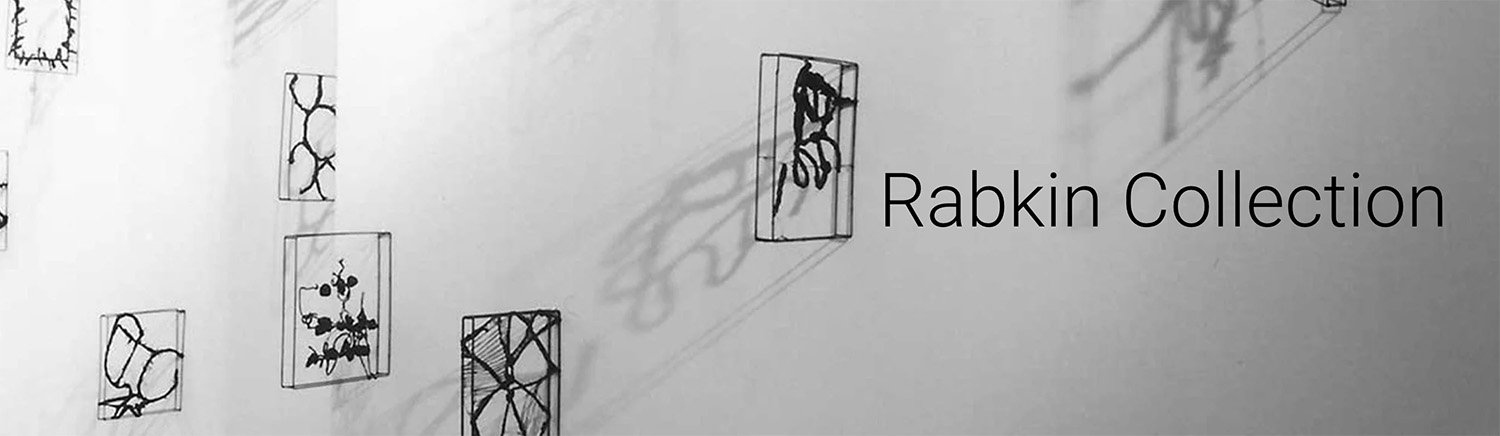
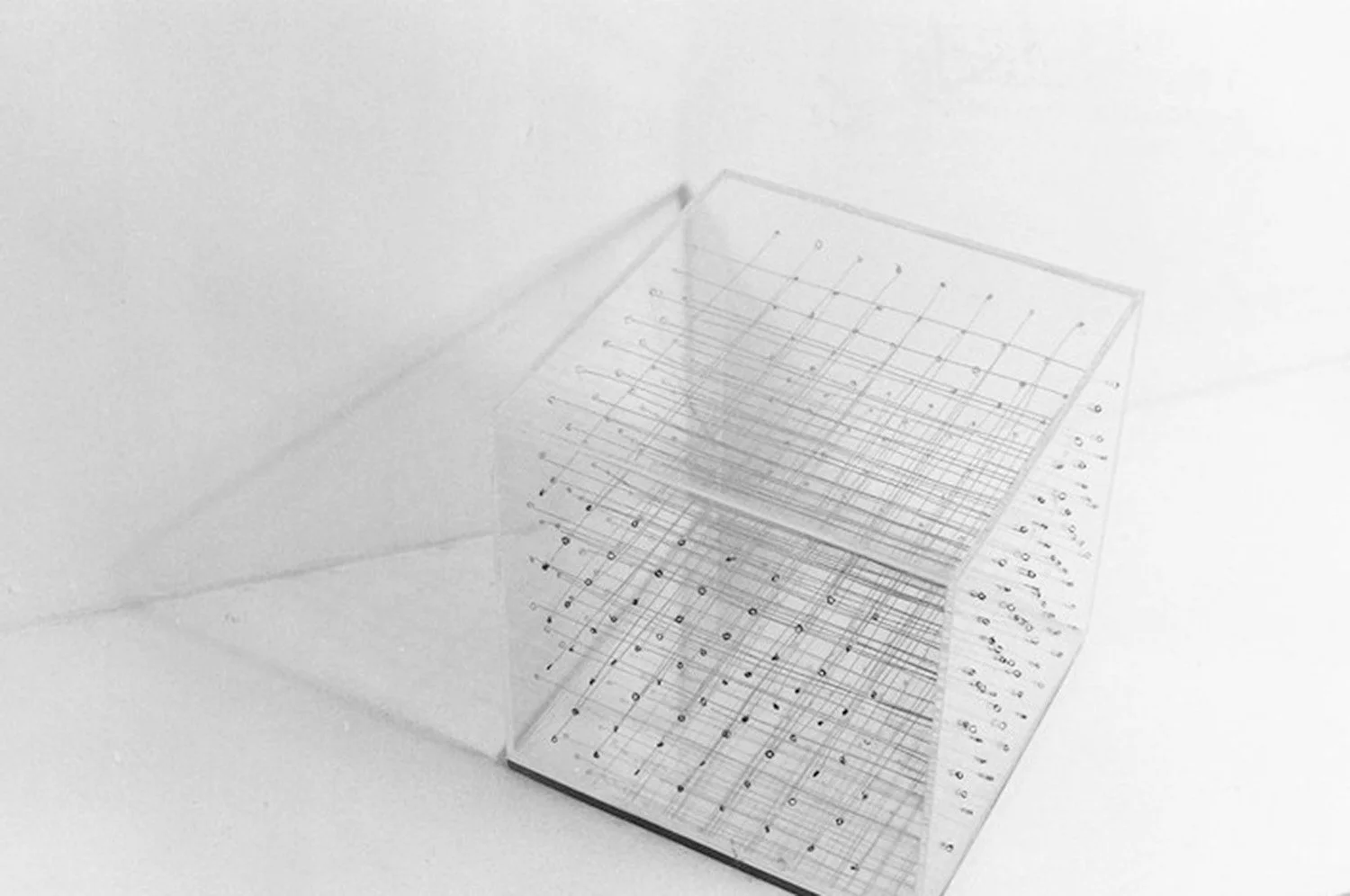
The foundation also preserves and promotes the work of artist Leo Rabkin, whose prolific practice spanned more than eight decades and includes sculpture, assemblage, painting, and a celebrated series of late-life postcard artworks.
Identity System
The identity system was designed to balance institutional clarity with the expressive sensibility of Leo Rabkin’s work.
A restrained typographic framework and precise use of color provide a flexible structure capable of supporting prize announcements, editorial content, digital exhibitions, and archival materials while maintaining a coherent institutional voice.
Digital Archive
The Rabkin Foundation website functions as a living digital archive documenting both the Rabkin Prize and the legacy of Dorothea and Leo Rabkin.
The platform houses recipient profiles, interviews, essays, archival materials, and curated presentations of Rabkin’s work, creating a public resource that continues to grow as the foundation expands its scholarship and cultural programming.
This project demonstrates how Identity Architecture can support cultural scholarship by connecting philanthropy, editorial discourse, and archival preservation within a unified institutional framework.